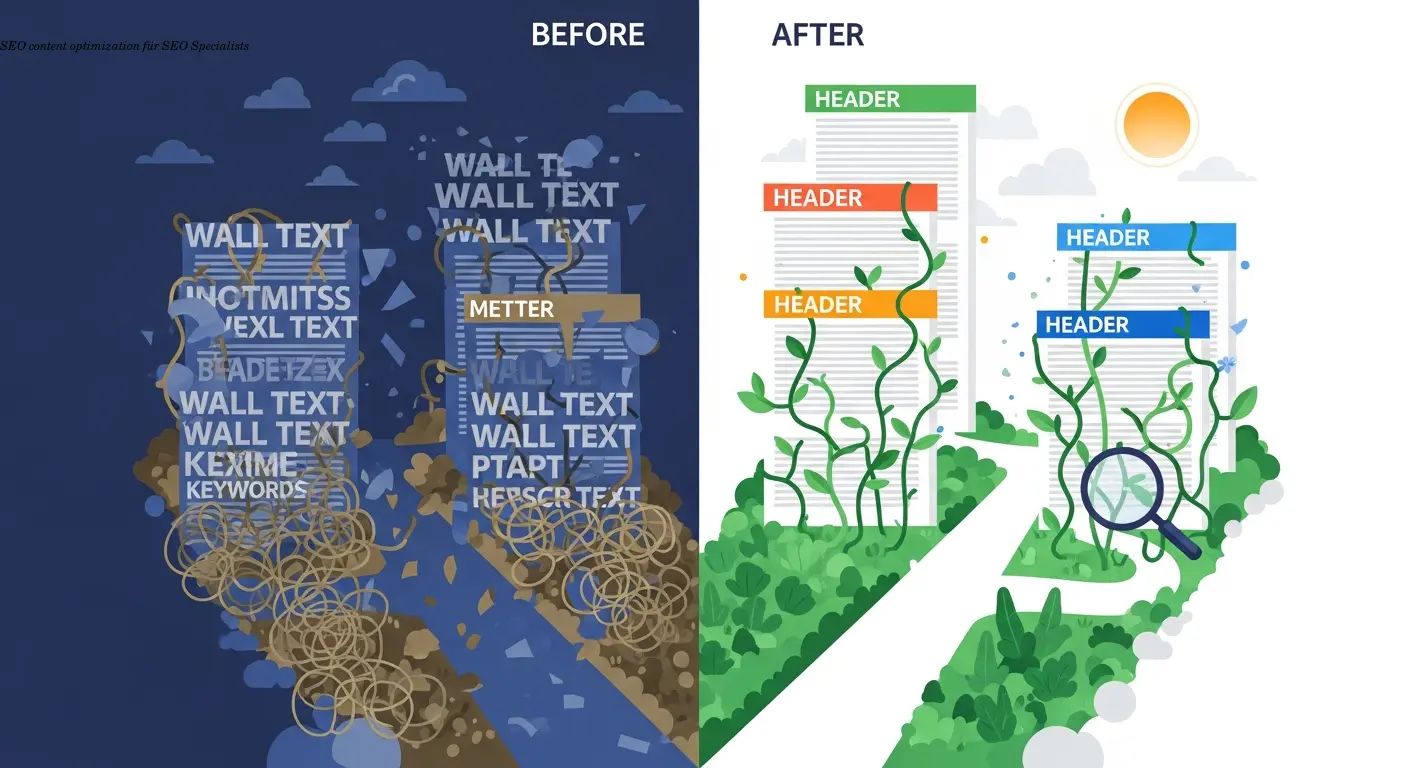
SEO content optimization Proven Before and After Guide
SEO Content Optimization: Compare Before and After Versions
Estimated reading time: 12 minutes
- SEO content optimization transforms poorly performing pages into high-ranking assets by improving keyword placement, structure, metadata, and user intent alignment.
- Before optimization, content typically lacks strategic keywords, proper structure, and clear metadata; after optimization these elements appear in titles, headers, and opening paragraphs.
- Optimized content favors short paragraphs, clear header hierarchies, and visual breaks rather than dense walls of text.
- User intent mapping separates effective optimization from keyword stuffing by aligning content with what searchers actually need.
- Technical on-page elements like alt text, URL structure, and internal linking matter and are often missing in unoptimized pages.
Why Comparing Before and After Matters for SEO Content Optimization

Understanding the difference between unoptimized and optimized content gives you a clear roadmap for improvement. SEO content optimization is the process of enhancing website content to make it more accessible and valuable to your target audience while improving search engine visibility. The transformation isn't magic—it's systematic changes across multiple dimensions of your web pages: keyword placement, metadata, content structure, readability, and the technical signals search engines use.
Seeing changes side-by-side makes priorities obvious. A generic title like "Our Services" tells search engines nothing. An optimized title like "SEO Content Optimization Services: On-Page Strategy 2025" immediately signals purpose and audience. Unoptimized pages often show missing metadata, inconsistent terminology, dense paragraphs, and no user intent mapping. Optimized pages show deliberate keyword placement, descriptive headers, short paragraphs, and metadata that entices clicks.
Why the side-by-side view matters
The performance gap is often dramatic—it's the difference between page 5 and page 1. Over years of audits I've seen great ideas fail because they're buried under poor presentation. Optimization surfaces the value for both users and search engines.
Title Tags and Meta Descriptions: The First Impression Battle
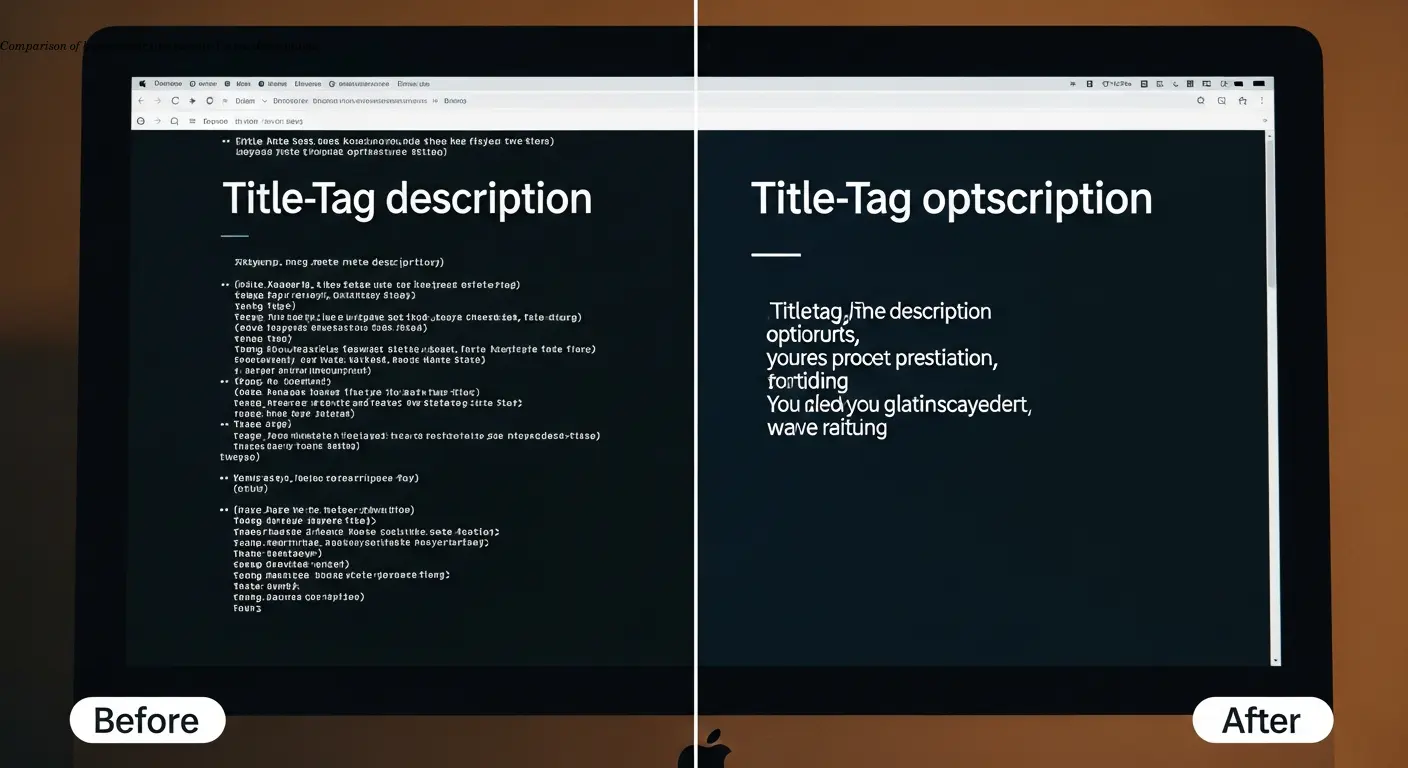
Your title tag and meta description are your SERP advertisement. Yet they're frequently neglected. Before optimization, titles are vague—"Home," "About Us," "Blog Post #47"—and meta descriptions are missing or generic. After optimization, titles become specific and keyword-rich: for example, "SEO Content Optimization: 7 Before and After Examples That Increased Traffic 300%" clearly states topic and value.
Length and copy tips
Keep titles under ~60 characters to avoid truncation and meta descriptions between 150–160 characters. Numbers and specific outcomes outperform generic promises. Test variations: "How to Optimize Content" vs "7 Content Optimization Techniques That Doubled Our Organic Traffic."
Keyword Placement Strategy: From Random to Intentional
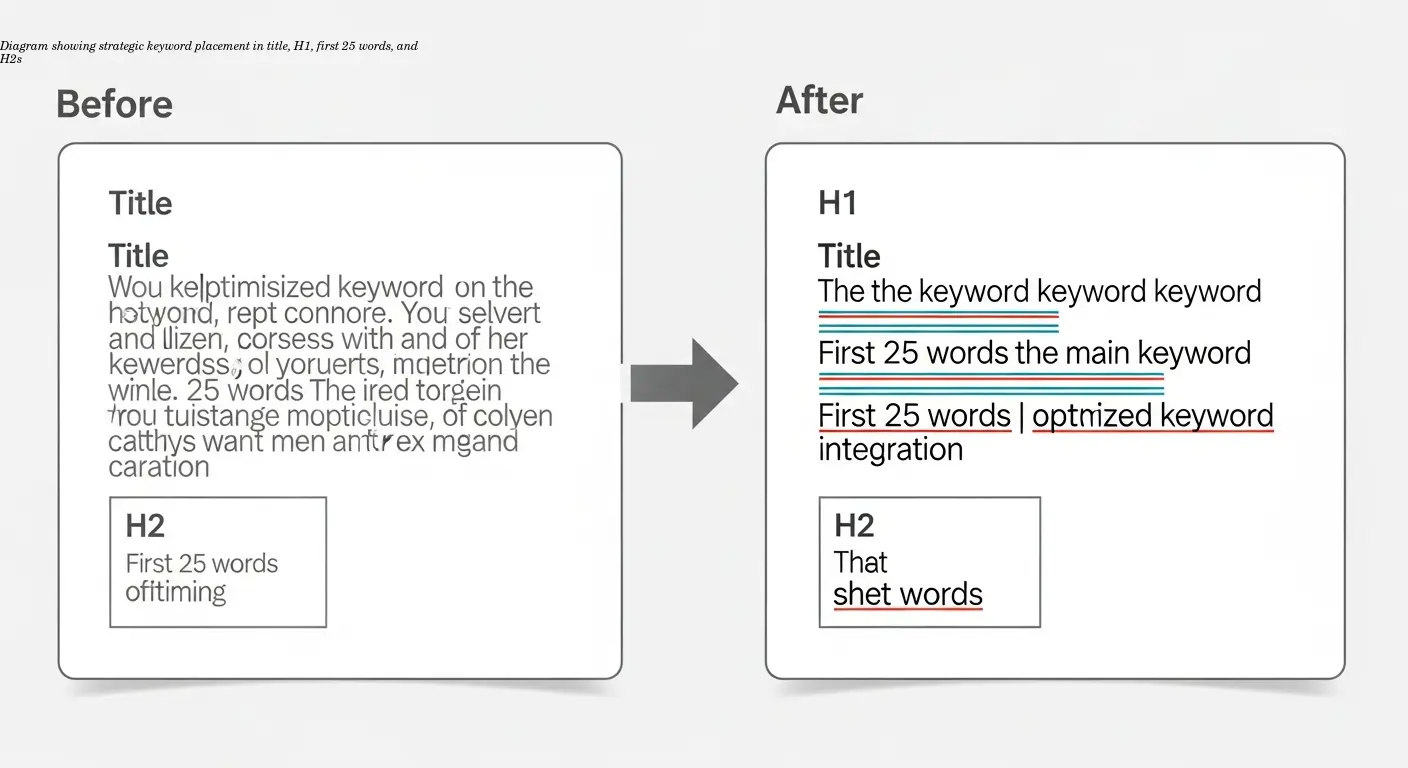
It's not how many times you use a keyword—it's where and how naturally it appears. Unoptimized content either lacks keywords or stuffs them unnaturally. Optimized pages place the primary keyword early (within the first ~25 words), include it in the H1, at least one H2, and distribute semantic variations through the body.
Recommended frequency and variation
Aim for ~3–4 mentions of the exact target keyword in a typical article, plus semantic variations like "content optimization for search engines" or "optimizing on-page SEO elements." This improves readability for humans and signals topical depth to search engines.
Content Structure and Readability: Breaking Down the Walls
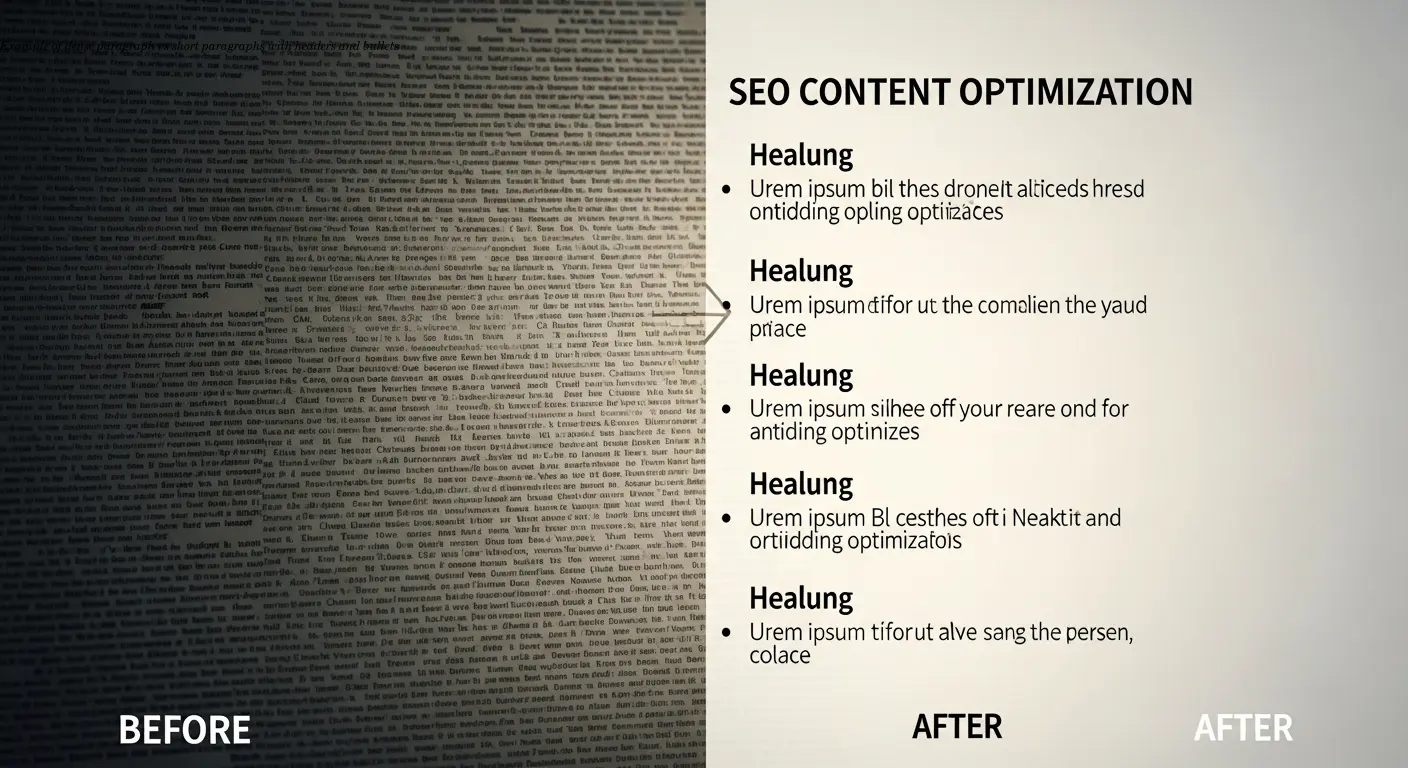
Unoptimized content is typically intimidating: long 8–10 sentence paragraphs, no clear hierarchy, minimal formatting. Optimized content uses ~3-sentence paragraphs, descriptive H2/H3 headers, bullet points, bolding for emphasis, and white space to guide readers. Short paragraphs and clear hierarchy increase engagement and reduce bounce.
Formatting that improves engagement
Use anchor links, table of contents, bullet lists, and bolded phrases. If you extract the headers and they don't tell a coherent story, restructure the headers. These changes often yield immediate improvements in time on page and scroll depth.
Technical On-Page Elements: The Hidden Ranking Factors
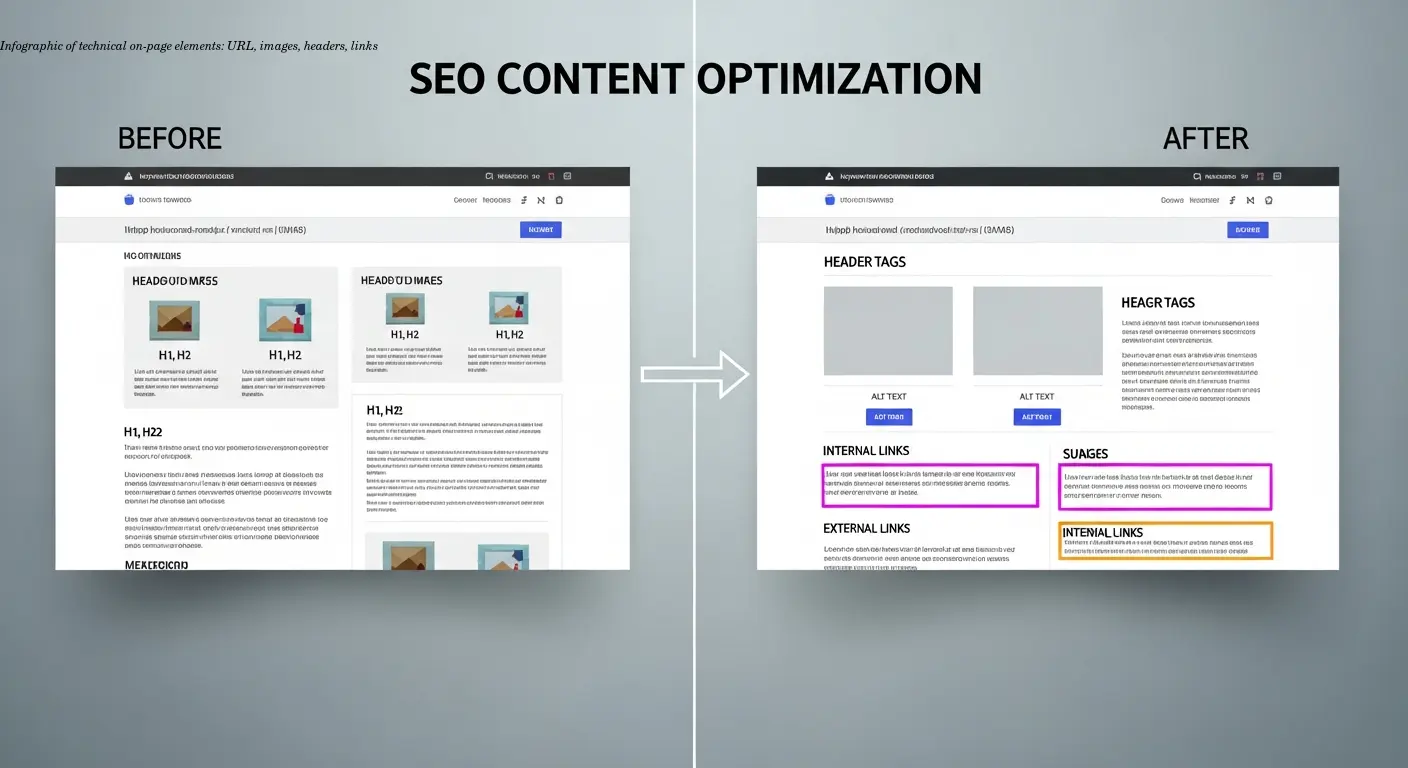
Technical elements are invisible to many content creators but crucial for search engines. URL structure, image optimization, header semantics, and internal linking all influence crawlability, indexing, and user experience.
URL structure
Unoptimized URLs are long and parameter-heavy (website.com/page.php?id=12345&cat=services). Optimized URLs are concise and descriptive (website.com/seo-content-optimization), providing relevance signals and being easier to share.
Image optimization
Replace generic filenames and missing alt text with meaningful names and descriptive alt attributes: for example, seo-content-optimization-workflow.jpg and alt text like SEO content optimization workflow chart showing before and after comparison. Compress files to improve load time and accessibility.
Header tag optimization
Use one unique H1 per page and logical H2/H3 tags. Avoid using visual styling instead of semantic headers. Headers should read like an outline of the page—if the headers alone don't convey the structure, fix them.
Internal linking strategy
Unoptimized pages often lack internal links or use "click here" anchors. Use descriptive anchor text like keyword research strategies to connect related pages and guide users through relevant content, improving crawlability and topical authority.
User Intent Alignment: Writing for Humans, Not Just Algorithms
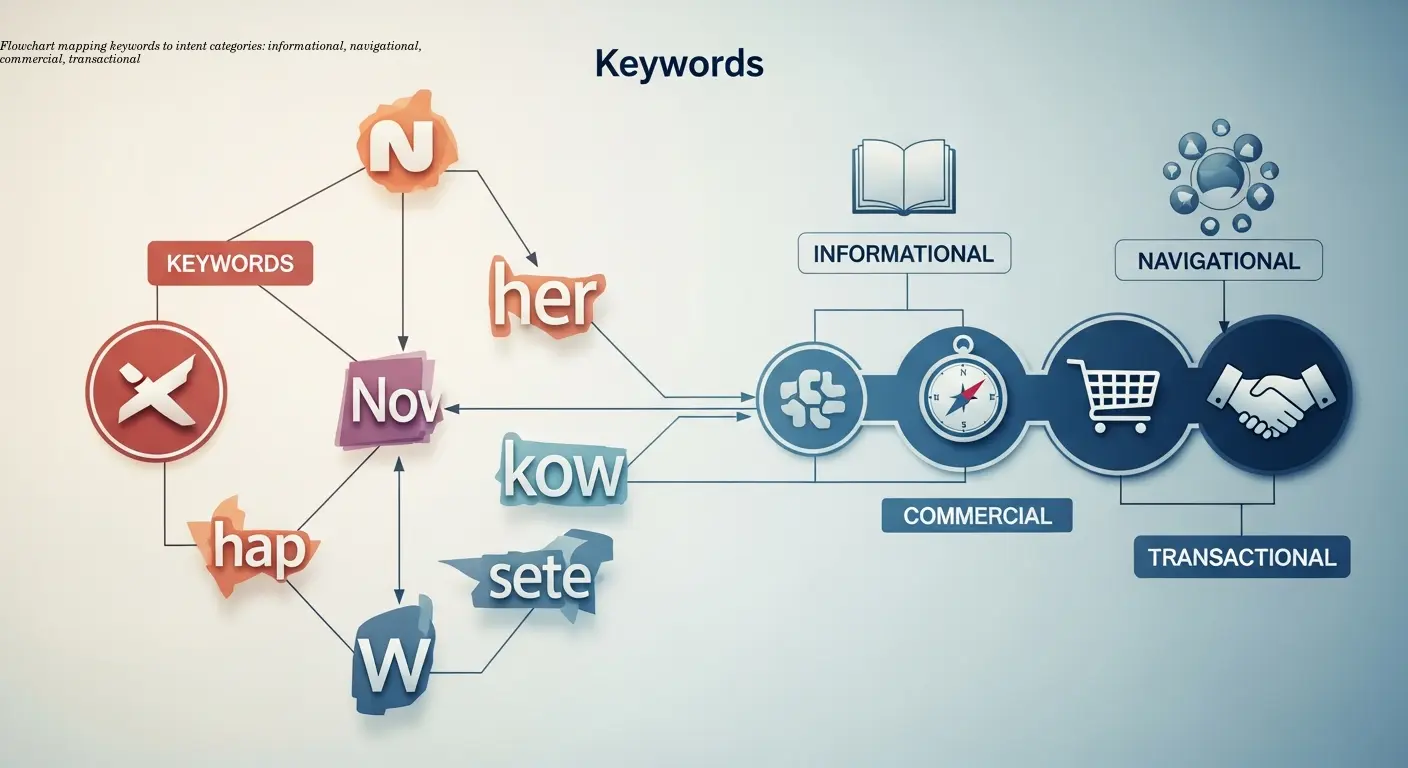
Matching searcher intent is critical. You can nail technical SEO and keyword placement and still fail if the content doesn't answer what users want. Map keywords to intent—informational, navigational, commercial investigation, or transactional—and tailor the content accordingly.
Practical intent mapping
Analyze top-ranking results for your keyword: format, depth, and user questions. For example, "SEO content optimization" is informational—provide comprehensive educational content. "Hire SEO content optimization service" is commercial—lead with differentiators and case studies. Avoid trying to serve multiple intents from one page; create separate pages for distinct intent stages.
Depth and Comprehensiveness: Surface Content vs. Authoritative Resources

Depth separates mediocre pages from authoritative ones. Unoptimized content often skims topics; optimized content provides actionable insights, examples, templates, and measurable outcomes. Long content isn't inherently better—value and specificity matter more than raw word count.
Add frameworks and real examples
Use practical frameworks and include before/after examples with performance data. Show exact steps and measurable outcomes; this is what builds trust and topical authority.
Measuring Success: Before and After Performance Metrics
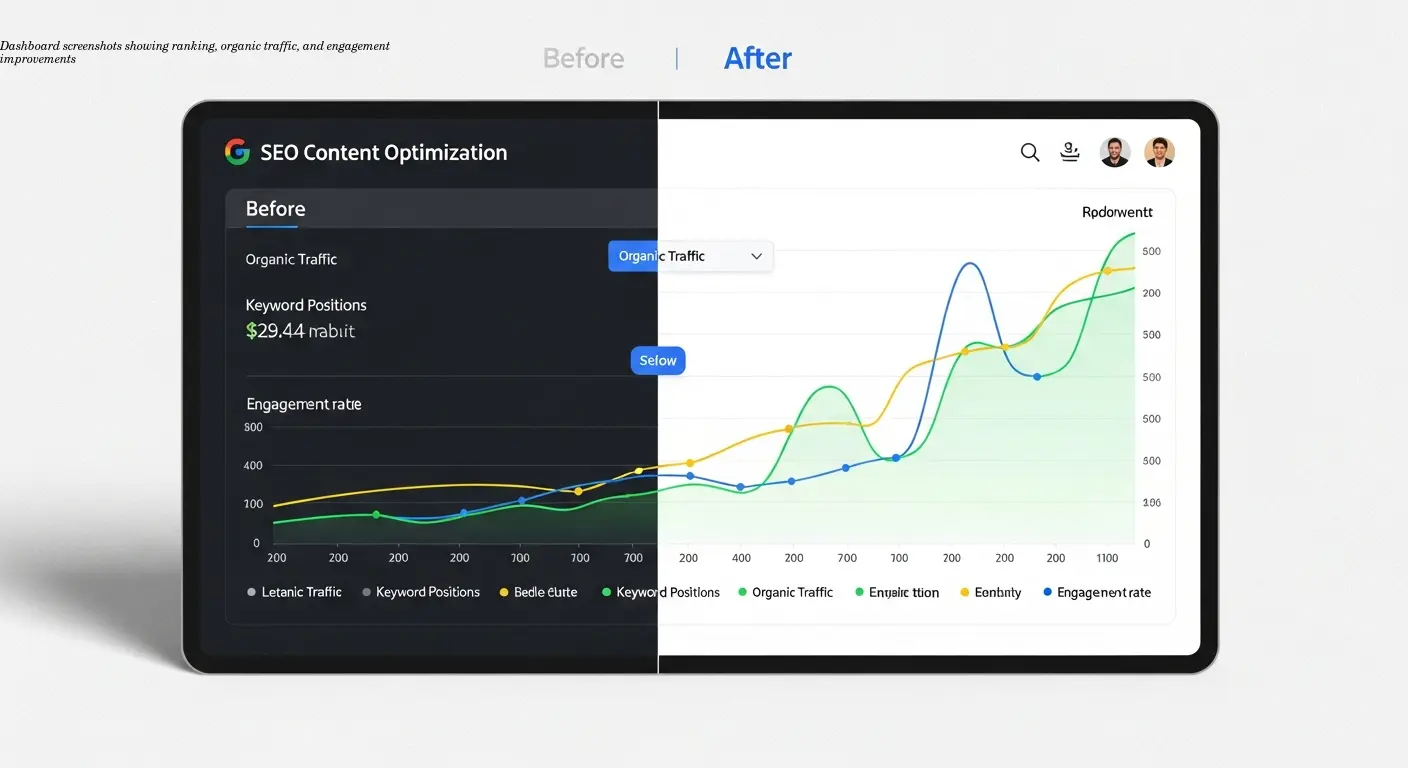
Measure outcomes to validate optimization. Track rankings for target keywords, organic traffic, engagement metrics (time on page, bounce rate), and conversion rates. Use tools like Google Search Console and Google Analytics 4 to compare before/after performance and to spot semantic queries you begin ranking for after optimization.
Key metrics and timelines
Expect movement within 4–8 weeks for less competitive keywords and 3–6 months for very competitive terms. Track impressions, clicks, average position, CTR, bounce rate, pages per session, and conversion rates. Track pages for 30 days pre-optimization and 60–90 days post-optimization to judge sustained impact.
FAQ
How long does it take to see results from SEO content optimization?
You'll typically see initial movement within 4-8 weeks for less competitive keywords, while highly competitive terms might require 3-6 months. The timeline depends on your site's existing authority, competition level, and how comprehensive your optimization efforts are. Quick wins often come from optimizing existing content that already ranks on pages 2-3—these pages have some authority and just need refinement to reach page 1.
Can I optimize old content or should I create new pages?
Optimizing existing content is often more effective than creating new pages, especially if you already have pages that rank on pages 2-4 for target keywords. These pages have established some authority with search engines and just need improvements to climb higher. Update them with better keyword placement, improved structure, updated information, and enhanced metadata. Create new content only for keywords you don't currently target at all.
How many keywords should I target per page?
Focus on one primary keyword per page with 2-3 closely related secondary keywords. Trying to target too many unrelated keywords dilutes your relevance signals and makes it harder to rank for any single term. Your primary keyword should appear 3-4 times naturally, while secondary keywords and semantic variations fill out the content.
What's the biggest mistake people make when comparing SEO versions?
The biggest mistake is judging success purely by keyword density or frequency. People often say "we added the keyword 10 more times" thinking that's optimization. Real optimization improves user experience while incorporating keywords strategically. If the optimized version reads awkwardly or prioritizes keywords over clarity, you've made the content worse even if it includes more keyword mentions.
Do I need different optimization strategies for different types of content?
Yes, the optimization approach should match content type and intent. Blog posts benefit from clear structure, FAQ sections, and semantic keyword variations. Product pages need optimized titles, compelling descriptions, and strategic internal linking to related products. Service pages should focus on benefit-oriented headers and clear calls-to-action. Landing pages require concise, conversion-focused optimization. The core principles remain consistent, but the execution varies based on page purpose.
How do I know if my content is truly optimized or just keyword-stuffed?
Read your content out loud. If it sounds unnatural or repetitive, you've crossed into keyword stuffing territory. Optimized content should read smoothly while naturally incorporating keywords in strategic locations. Check if keywords appear in your title, first paragraph, at least one H2 heading, and 2-3 times in body content. If you're hitting those targets and the content still reads well, you've achieved proper optimization.
Should I optimize for mobile users differently than desktop?
The content itself should be identical, but structure matters even more for mobile users. Short paragraphs (2-3 sentences) are critical because mobile screens show less content at once. Visual breaks, bullet points, and clear headers help mobile users navigate long content. Make sure your site uses responsive design so formatting adapts automatically. Test your optimized content on mobile devices—if scrolling feels endless or content appears cramped, adjust paragraph length and spacing accordingly.
Can AI tools handle content optimization or should I do it manually?
AI tools can help with keyword research, identifying optimization opportunities, and suggesting improvements, but they shouldn't replace human judgment. Use AI to analyze top-ranking content and identify semantic keywords, but the actual writing and strategic keyword placement require human understanding of user intent and natural language. AI-generated content often lacks the specific examples and genuine expertise that separate good content from great content. Use AI as a research and suggestion tool, not a replacement for strategic thinking.
Related Articles

Building an Autonomous AI News Agent with n8n & Bright Data (Part 1)
Learn how to build an autonomous AI-powered news scraper using n8n and Bright Data. Part 1 covers the Ingestion Engine architecture for 24/7 market monitoring.

Practical content migration guide for CMS comparison
Practical content migration advice to compare old and new CMS, validate data integrity, and avoid SEO loss. Best practices for developers and content teams.

Collaborative Writing Guide to Comparing Team Contributions
Compare team contributions with collaborative writing tools, clear roles, and peer assessment—practical tactics content teams can apply now.